Welcome to the Crisis Intervention Team Canada Coalition !
This is the home of the CIT Canada Coalition. We are a group of dedicated professionals who work together from coast to coast to advance collaboration and connect-ion to implement CIT core elements across Canada to best meet the safety and wellbeing needs of those experiencing crisis, our communities, and personnel delivering services.
Help CIT and participate in important research projects.
Click Here
CIT does not stand for Crisis Intervention Training.
CIT stands for Crisis Intervention Team!
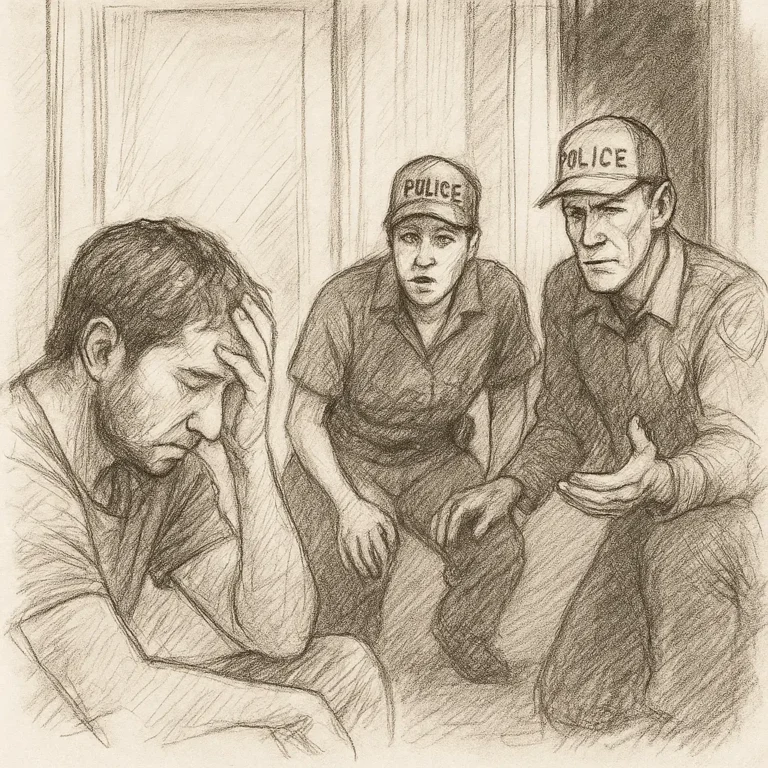
More than training, and more than a team, CIT is a community-based program that connects law enforcement with mental health professionals to improve responses to mental health crises.
Through specialized training, CIT programs equip front-line responders with practical skills to de-escalate individuals in crisis by helping them to:
recognize signs and symptoms of mental illness,
connect individuals to appropriate mental health supports and services, and
Why Non-Evidence-Based Solutions Persist Key Takeaways Building on the concerns about the practical and conceptual limitations of Hooks and Triggers raised in “Part I: Why Intuitive Doesn’t Mean Effective”, this post explores the deeper, psychological forces that explain why the approach (and other non-evidence-based methods) persists in the first place.
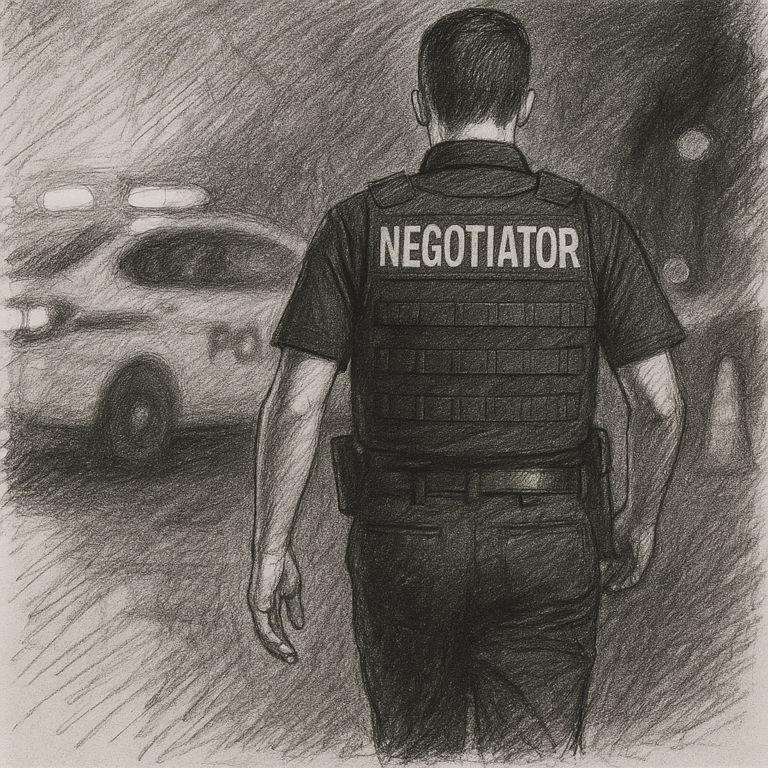
Why Intuitive Doesn’t Mean Effective Key Takeaways This is the first of two posts that break down my critical review of Hooks and Triggers as an approach to crisis intervention, crisis negotiaiton, and de-escalation in law enforcement contexts. The corresponding, peer-reviewed paper has been accepted as a Practice Guideline article by the
For de-escalation to truly be effective in any situation, merely knowing the skills and techniques from crisis intervention and negotiation training is not enough. To utilize these tools most effectively, we must grasp not only the situational context but also the intricate dynamics between us and those experiencing a crisis